

Protect
Polar Bears
No sea ice, no polar bears.
Clear, factual explanations: what is putting polar bears at risk, what scientists know and what really helps.
Scroll
≈ 26,000
polar bears worldwide, according to the latest estimate (2016)
20
subpopulations across the Arctic
700–1,000
polar bears are killed by people every year (estimates vary by source)
Explore the topics
Knowledge you can rely on
From the fact file to conservation work: here you will find clear answers to the most important questions about polar bears.
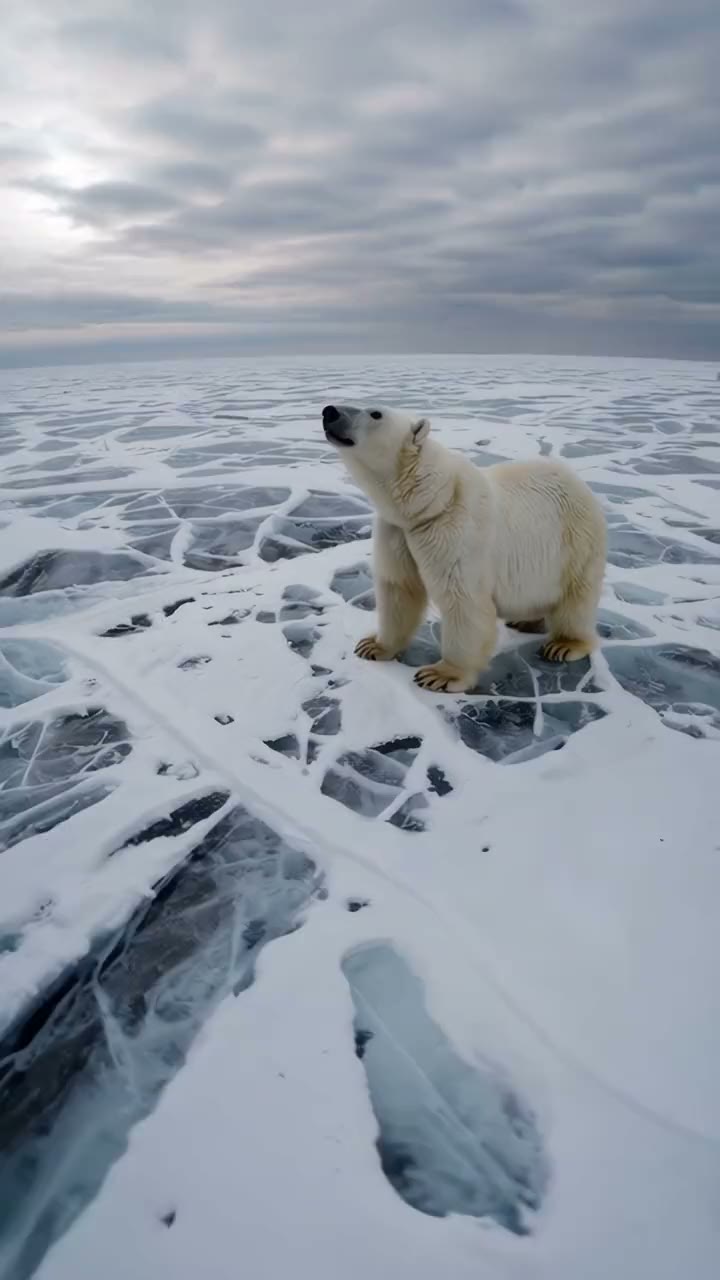
The polar bear
A life on ice and in the water
How polar bears live, hunt and get through the winter, explained simply.
Go to the fact file →
Habitat
The Arctic: a home made of ice
Discover the habitat →
Threats
Climate change and sea ice
Understand the connections →
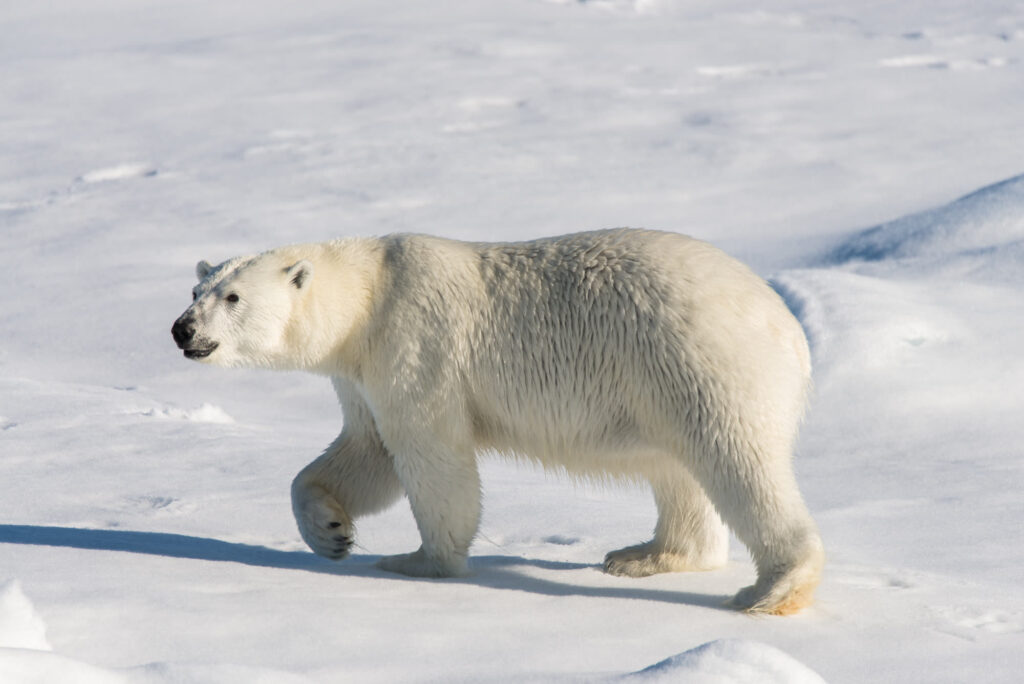
Myths and facts
What is really true?
Check the facts →
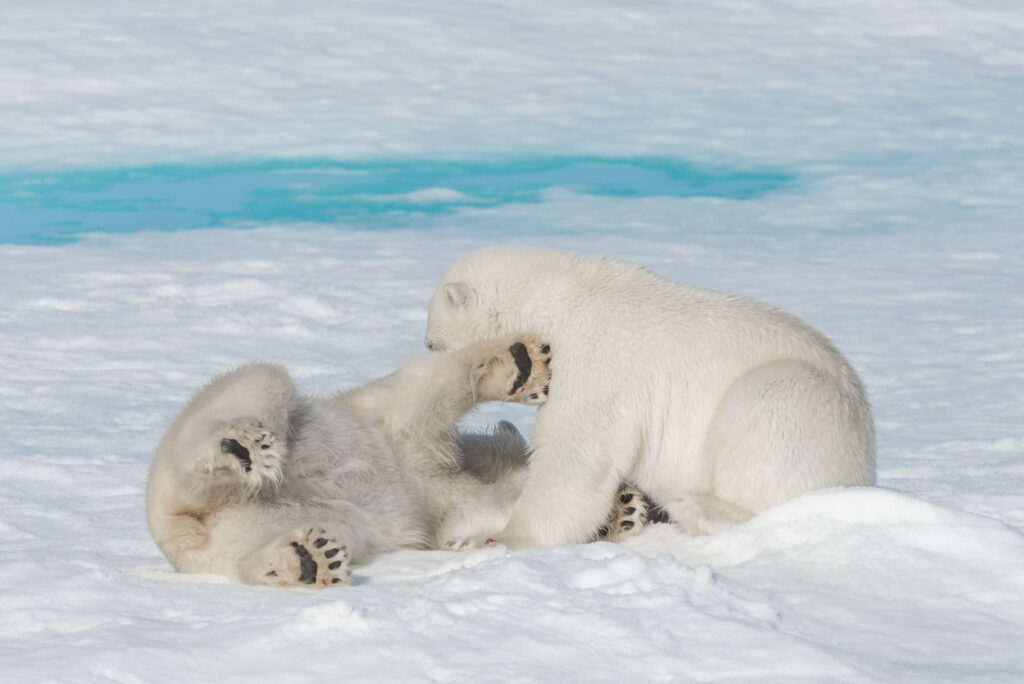
Cubs
Hunting, denning and cubs
Learn more →
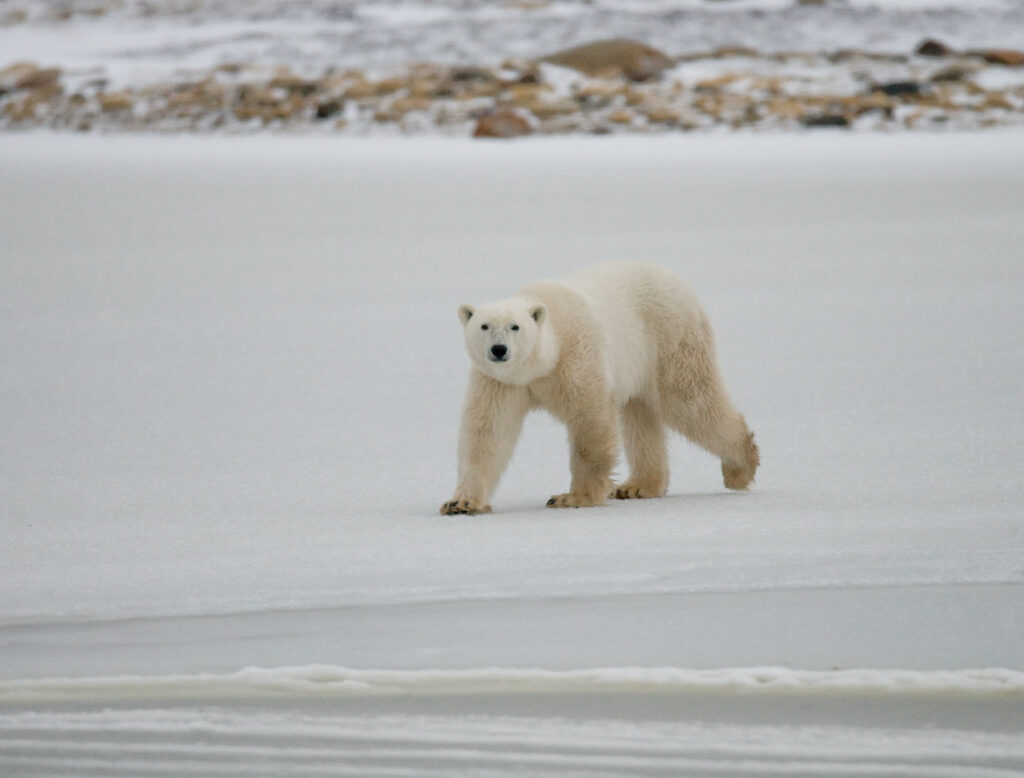
Threats
Hunting and the fur trade
Read the background →
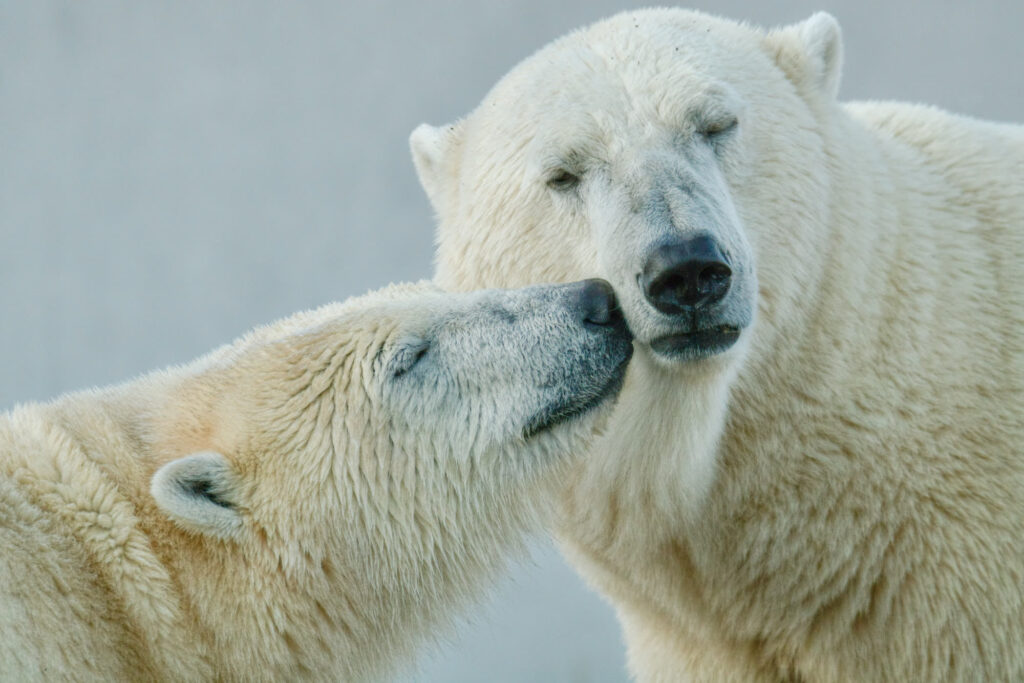
Conservation
Ways to save polar bears
See the solutions →
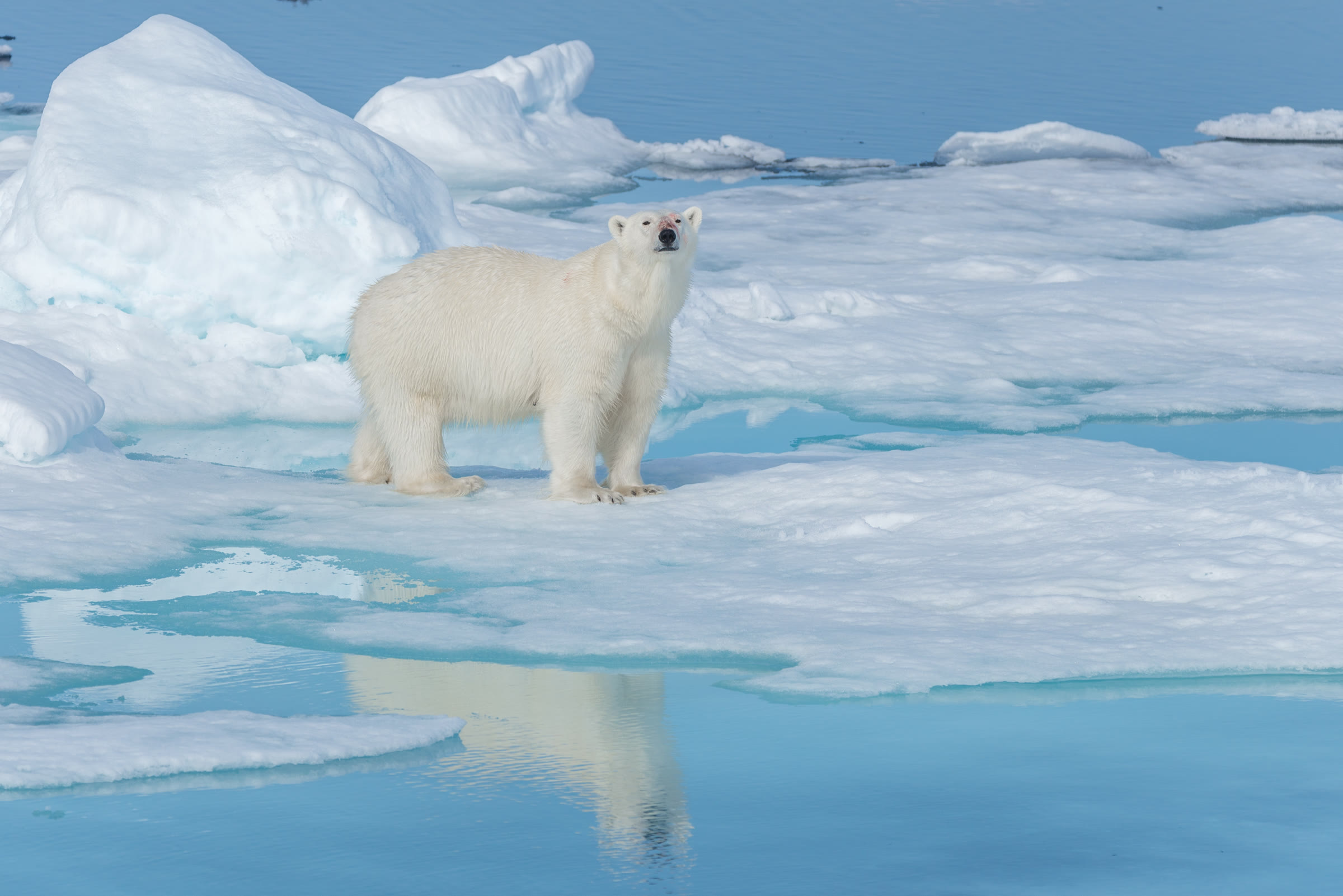
What this is about
Why sea ice matters
Polar bears hunt seals from the sea ice. It is their hunting platform and the basis of their fat reserves.
every 10–12 days
is how often a female polar bear needs one adult ringed seal in spring.
2007–2026
All 20 of the lowest September sea ice extents since records began in 1979 fall in these years.
≈ 3.8 times
as fast as the global average: the speed at which the Arctic warmed from 1979 to 2021.
Through the year
A year in the life of a polar bear
Four seasons, four tasks: how polar bears live between the polar night and the ice melt, and why every phase depends on sea ice.
Winter
Birth in a snow den
In the polar night, pregnant females retreat to snow dens and usually give birth to one or two cubs there. The other polar bears keep hunting on the sea ice.
Spring
The most important hunting season
In spring, the mothers leave the den with their cubs. Seals are easy to reach on the ice now, and the bears build up fat reserves for the rest of the year.
Summer
When the ice melts
Where the sea ice disappears completely in summer, some bears wait on land, often for months and with little food. The longer the ice-free season, the harder it gets.
Autumn
Back to the ice
As soon as the sea freezes over again, the bears return to the ice. In many regions this now happens later than it used to.
Pictures from the Arctic
A habitat that needs space
Ice, water and open sky: the polar bear is built for life in this vastness. These pictures show the habitat that is at stake.
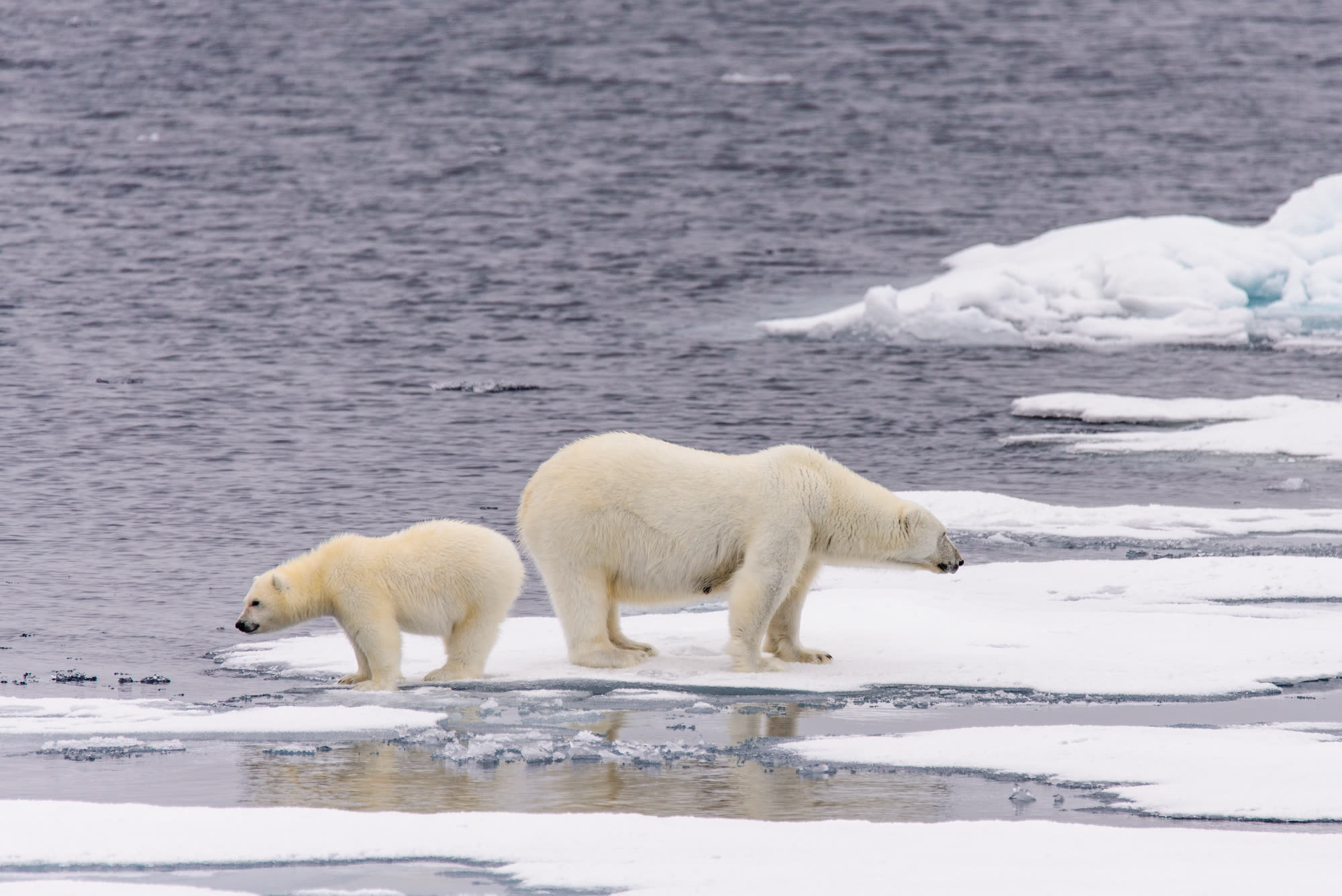
Family
Mother and cub
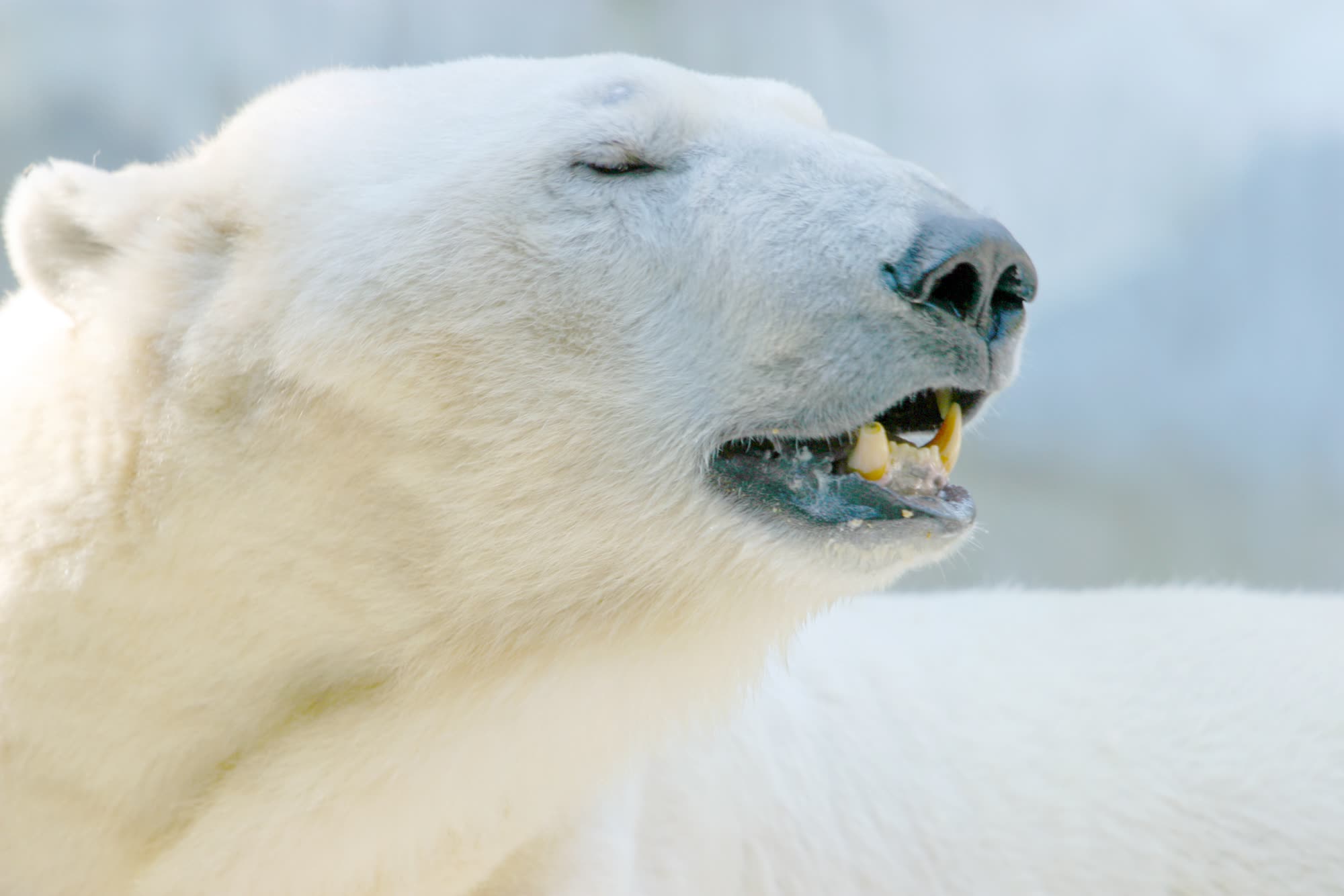
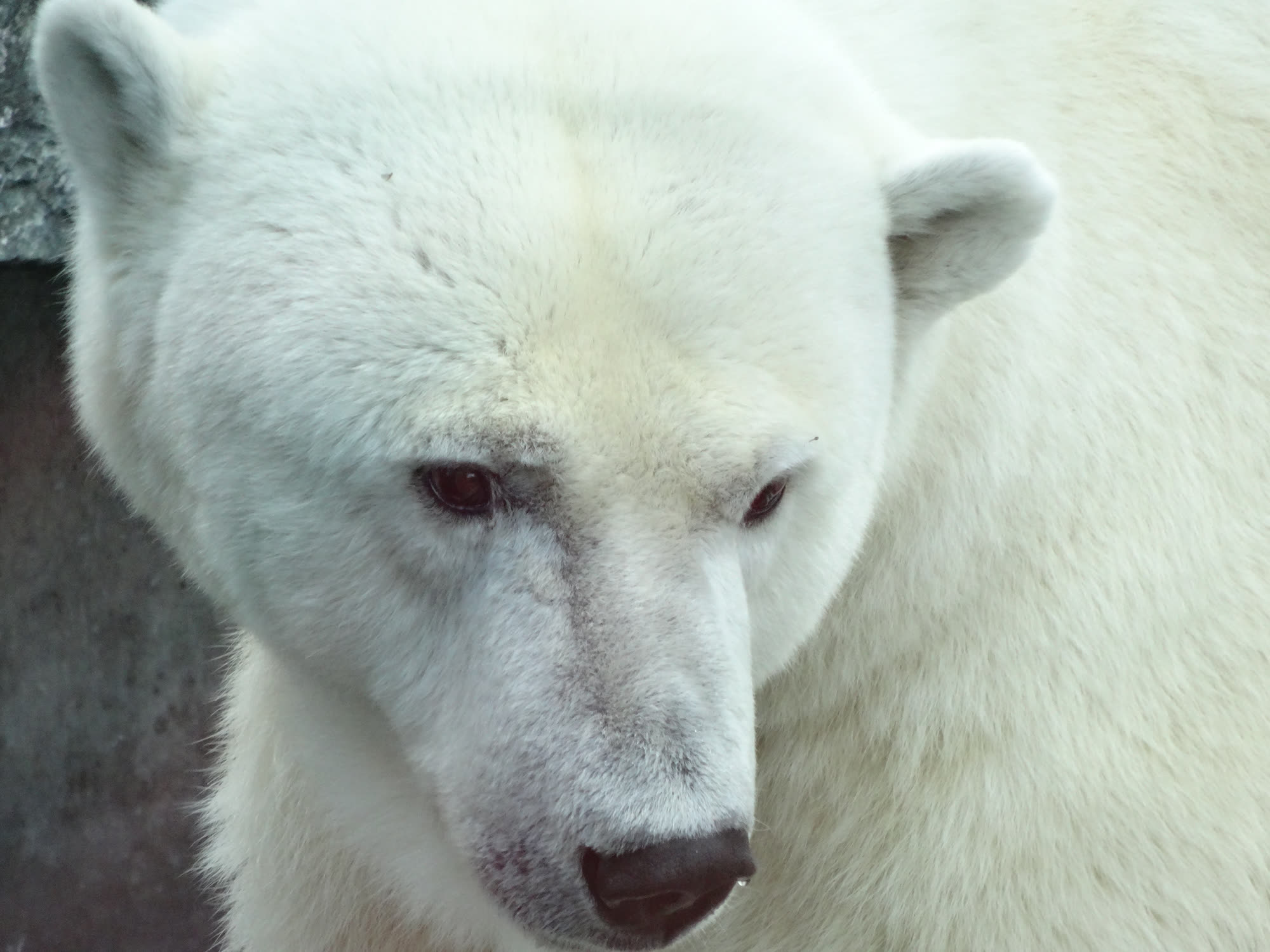
Portrait
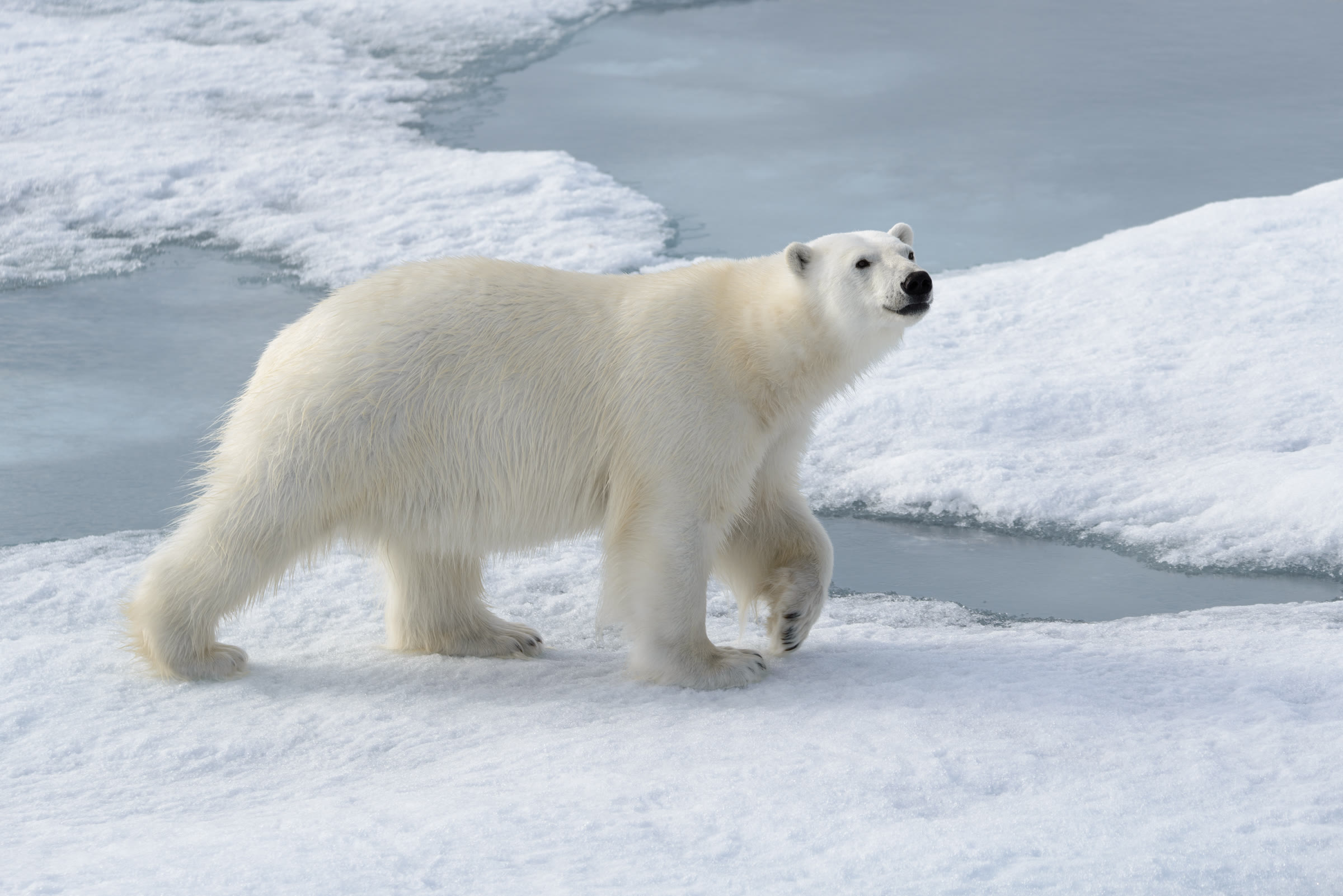
A polar bear up close
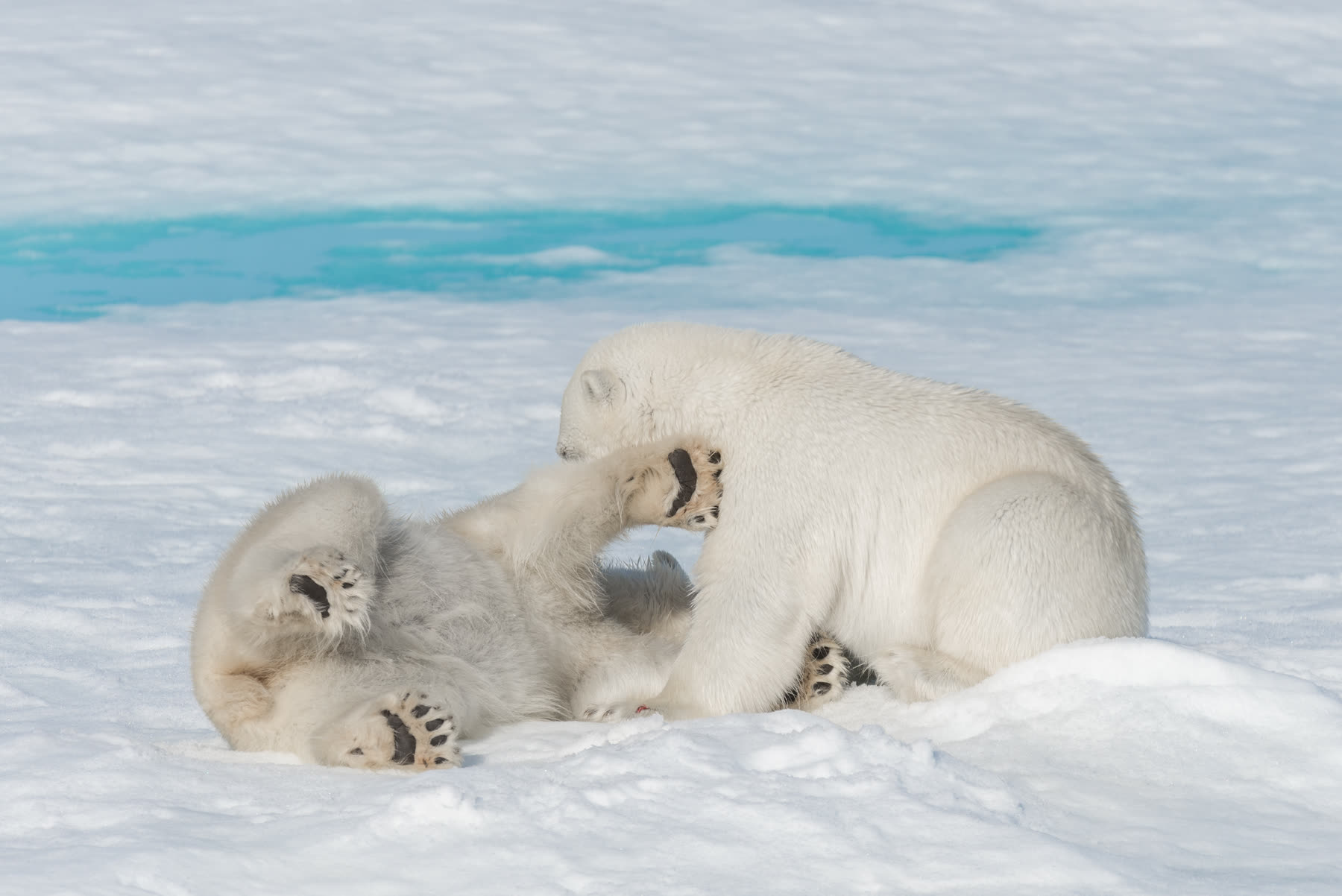
Encounter
Play in the snow
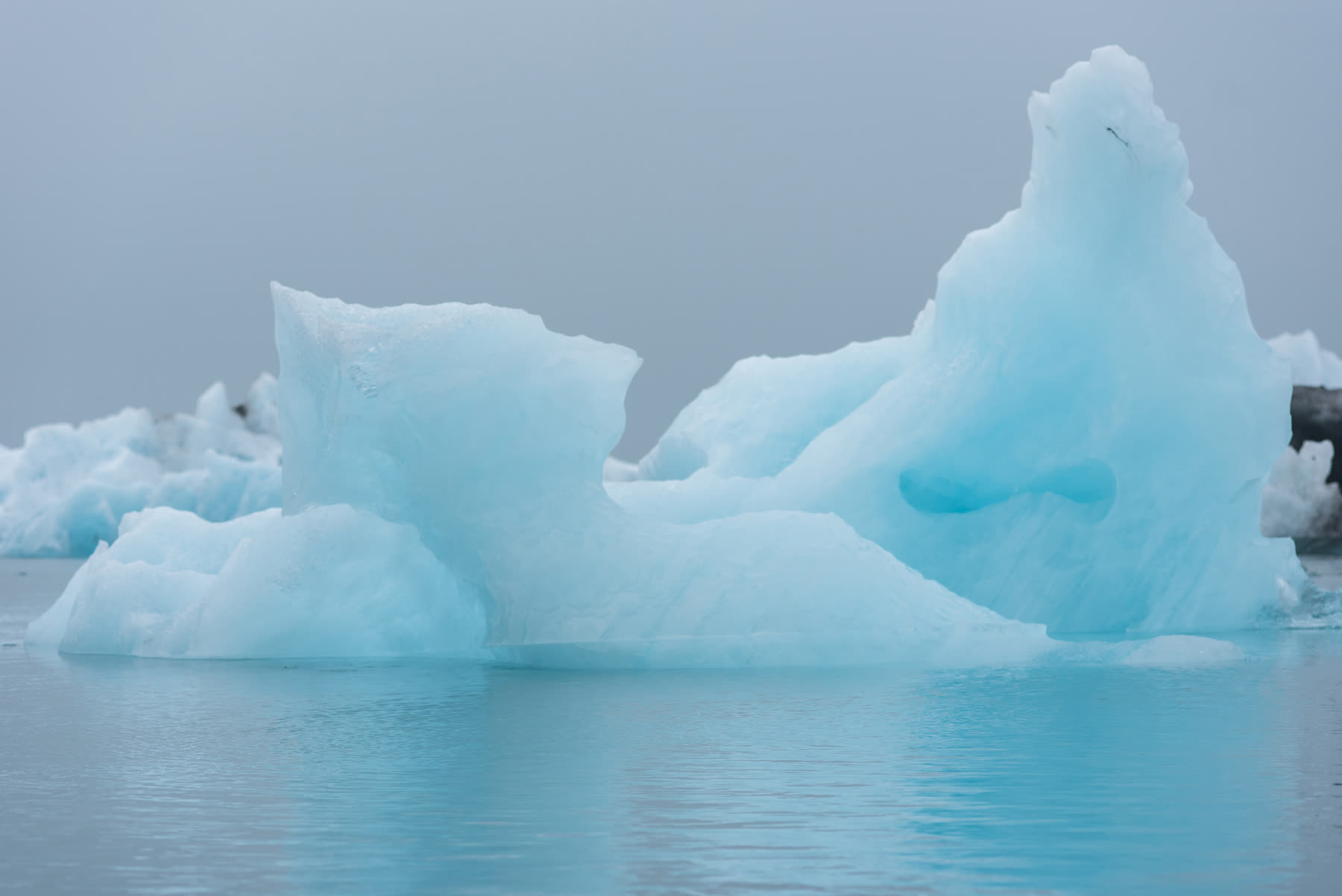
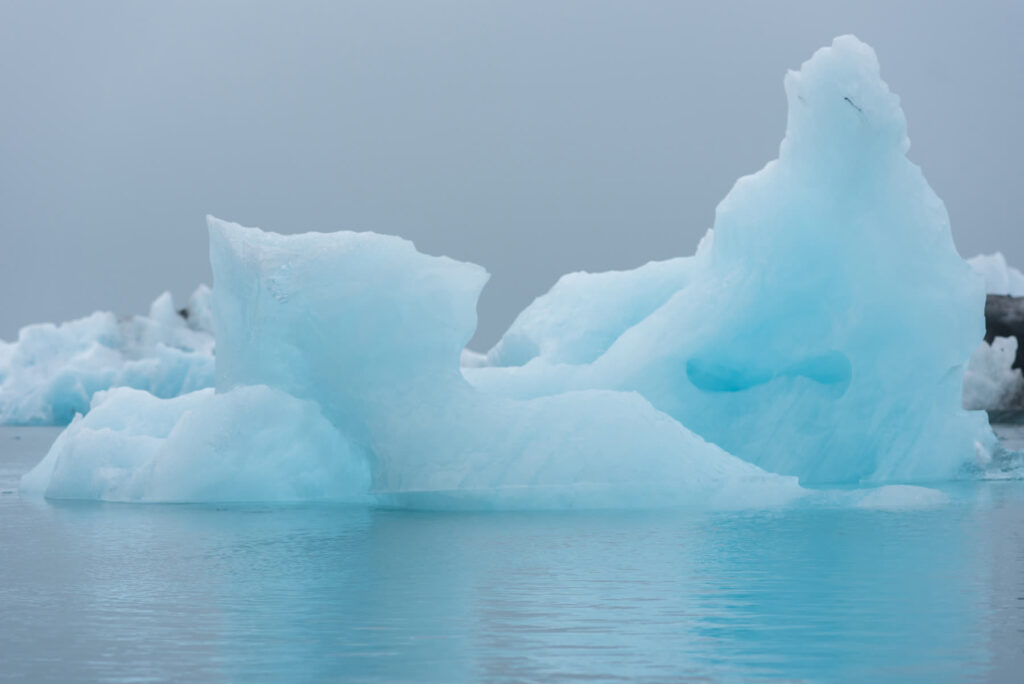
Ice in transition
An iceberg in calm water
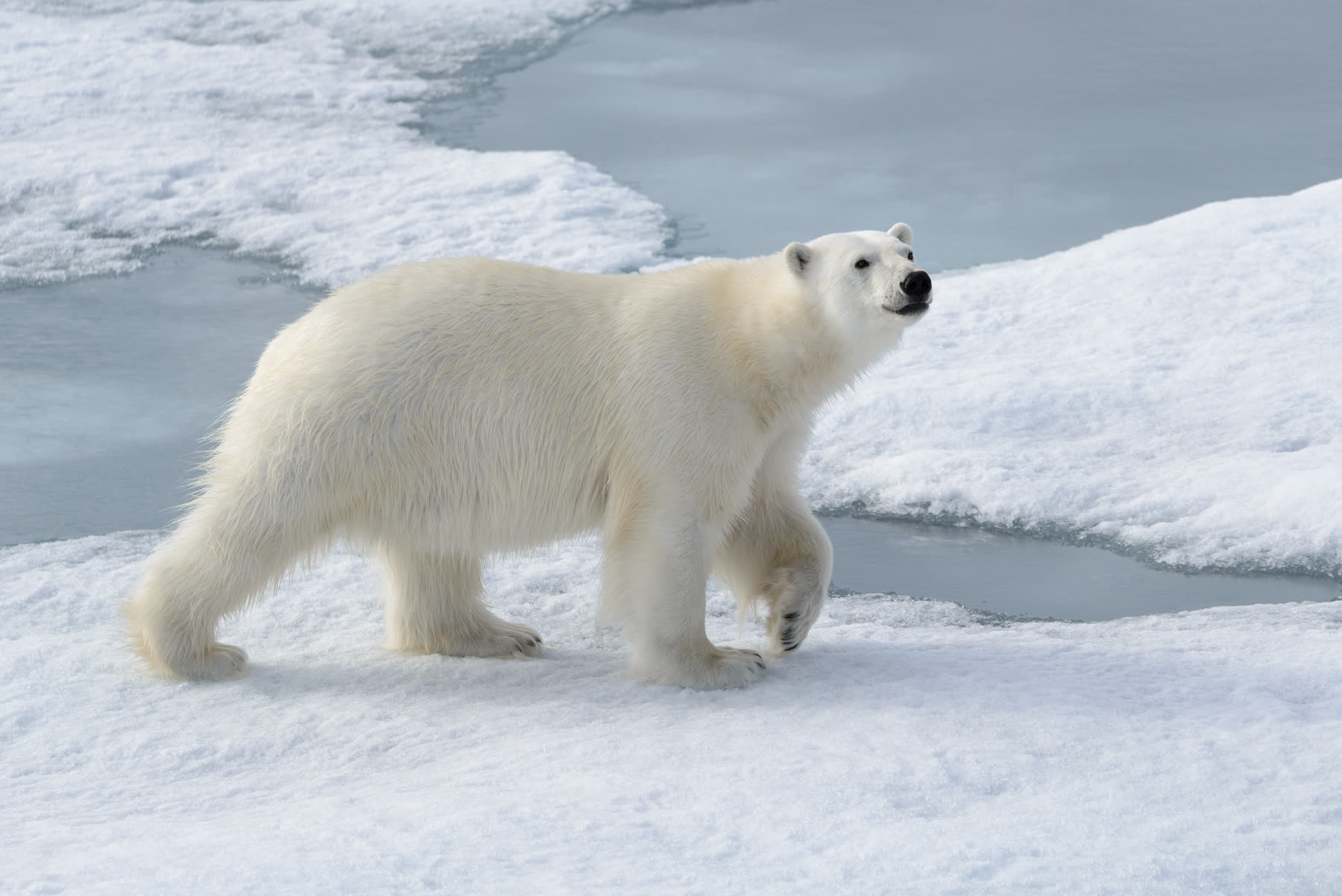
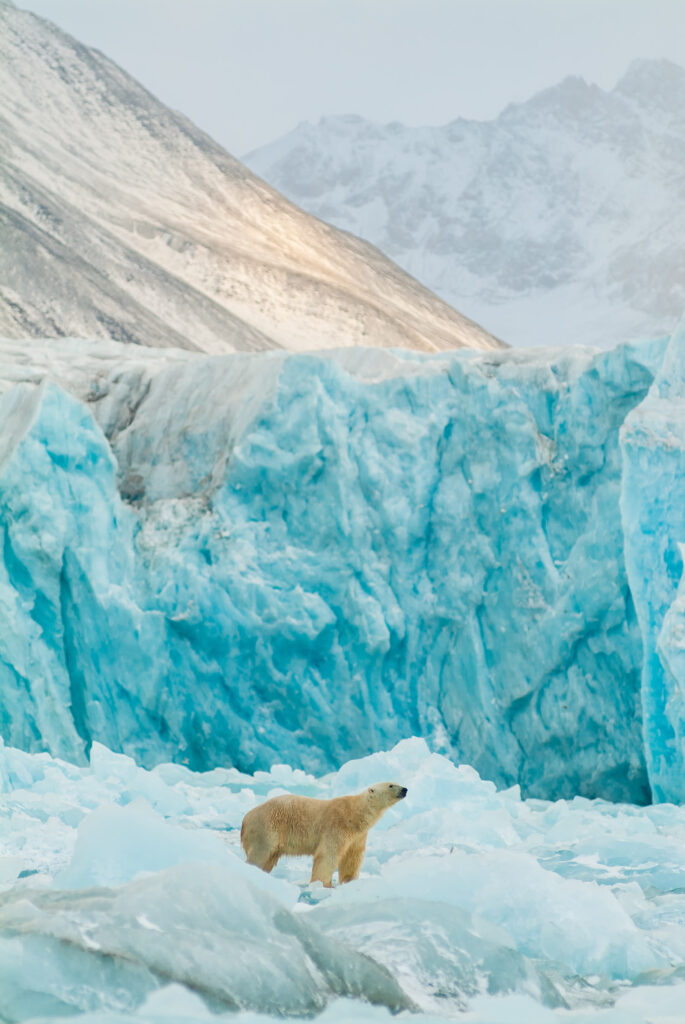
Hunting platform
Among the ice floes
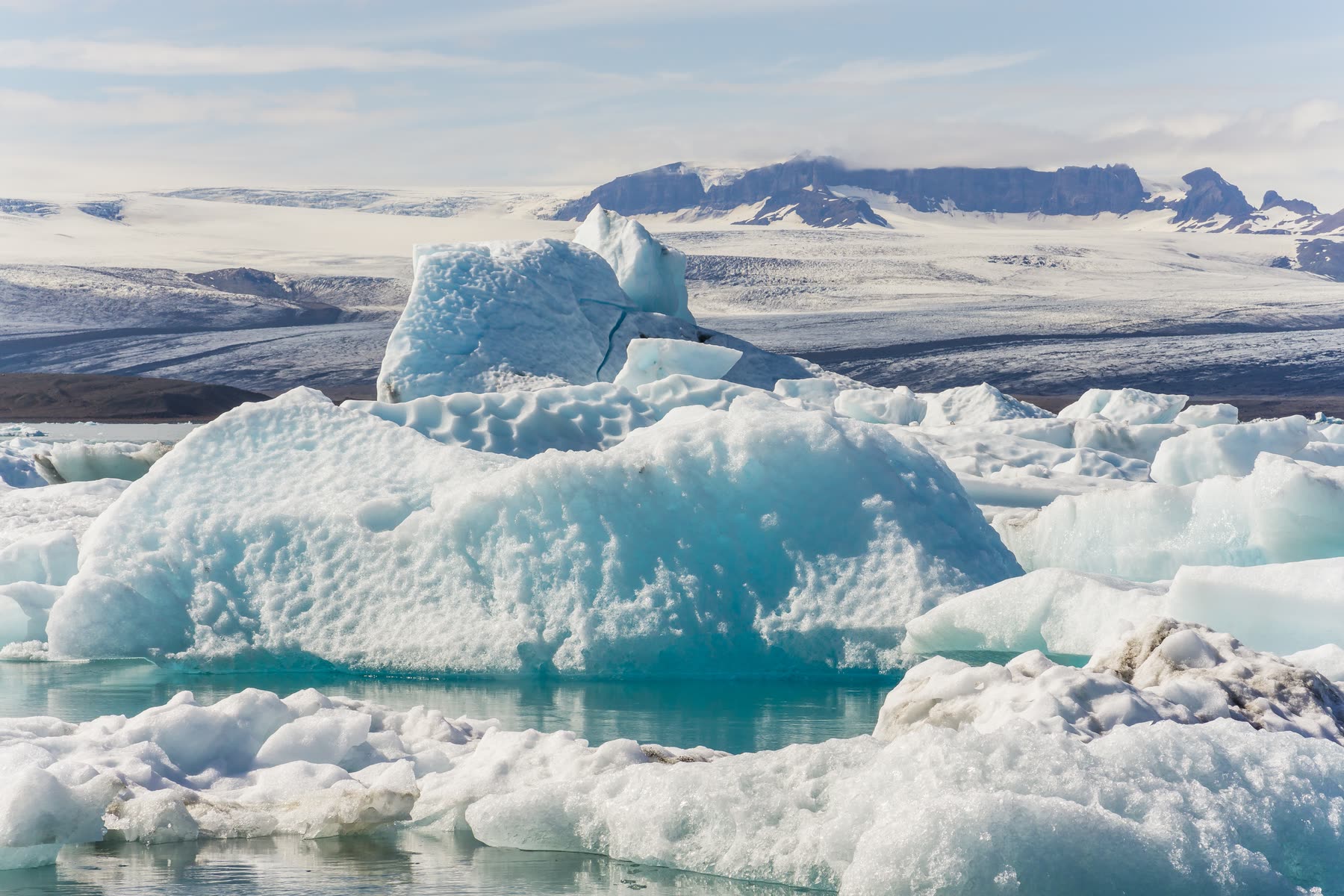
Landscape
Ice and open space
What is at stake
A polar bear needs space, ice and time.
What is decided today – in everyday life, in politics and in support for conservation work – helps determine how much ice remains.
Frequently asked questions
Short, honest answers
What visitors most often want to know, with sourced figures.
How many polar bears are left?
The IUCN Polar Bear Specialist Group (PBSG) puts the number at between 22,000 and 31,000. The figure above is the midpoint. The estimate is from 2016; the exact number is not known, because not all areas are well surveyed.
Are polar bears threatened with extinction?
The International Union for Conservation of Nature (IUCN) lists the polar bear as “Vulnerable” on its Red List. The biggest threat is the loss of sea ice caused by climate change.
Are polar bears still hunted?
Yes. Hunting and the fur trade remain a threat. The estimated number of animals killed each year is shown in the key figures above.
What do polar bears eat?
Their main prey is ringed seals, followed by bearded seals. Walruses, belugas and carrion are also on the menu; when food is scarce, polar bears eat bird eggs or berries. They prefer skin and blubber, because fat supplies the most energy.
Why is the fur white and the skin black?
The hairs are hollow and transparent; they look white because they scatter light. The skin underneath is black. The idea that the hairs channel light to the skin like optical fibres has been disproved.
How long do polar bears live?
In the wild, polar bears usually live 15 to 18 years, rarely up to about 30.
Are there polar bears in Antarctica?
No. Polar bears live only in the north, in the Arctic. Antarctica is a continent at the South Pole, home to penguins and seals, among others. Polar bears and penguins therefore never meet in the wild.
Independent information, direct support
Help where polar bear conservation works
This website does not collect donations. If you would like to support polar bear conservation financially, give directly to the organisations that work on the ground and in policy.
The links open in a new tab. They are provided voluntarily. There is no partnership with the organisations named.
Get involved
What you can do
The polar bear does not need pity. It needs a stable climate and people who work for it on the ground. Here are three ways you can contribute.
Cut greenhouse gases in everyday life
Energy, transport, food: this is where the biggest levers for the climate lie, and so for sea ice.
See the tipsPass on what you know
If you understand the connections, you can explain them. Share facts, not slogans.
Spread the wordSupport conservation work
Conservation work on the ground is carried out by organisations. Here you can see what options there are.
See the options